

Manga, Manhwa, and Manhua are the terms you have probably heard, If you have recently entered the world of Asian comics. At first glance, they may all look like the same thing: illustrated stories featuring memorable characters, dramatic plots, action, romance, fantasy, and adventure. However, that assumption is too simplistic.
While these three forms of comics share several similarities, they come from different countries and have developed their own reading styles, artistic traditions, storytelling approaches, and publishing formats. Understanding these differences can help readers discover new stories and appreciate the cultures behind them.
So, what is manga, manhwa and manhua? In simple terms, manga refers primarily to comics from Japan, manhwa comes from Korea, and manhua originates from China. But there is much more to the story than just geography.
In this article, we will explore the major differences and similarities between manga, manhwa, and manhua, including their origins, reading direction, artwork, formats, genres, and growing global popularity.
What Is Manga? And Why Is It Different From Manhwa and Manhua
Manga is the Japanese term commonly used for comics and graphic novels created in Japan. Manga has become one of the most influential forms of visual storytelling in the world. From action-packed adventures to emotional romance stories and psychological thrillers, manga covers almost every genre imaginable.
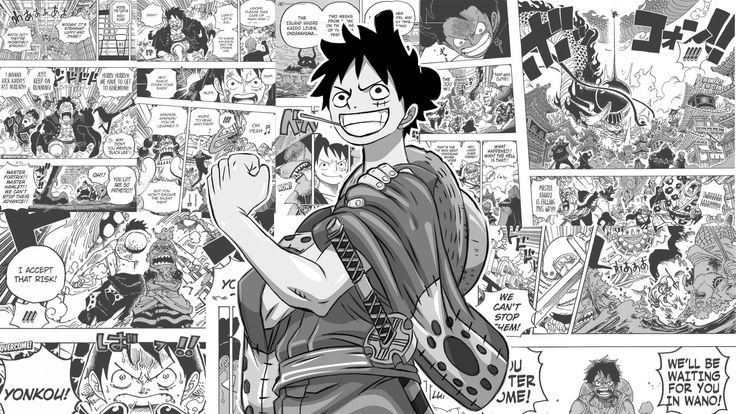
Traditional Japanese manga is usually printed in black and white and is commonly read from right to left. For readers who are used to Western comics, this can initially feel unusual. However, once you understand the reading order, it quickly becomes natural.
One of the biggest strengths of manga is its incredible variety. There are stories created for children, teenagers, and adults. Popular demographic categories include:
- Shonen – Often targeted toward young male readers and commonly features action, friendship, competition, and personal growth.
- Shojo – Traditionally aimed at young female readers and often focuses on romance, relationships, and emotions.
- Seinen – Generally created for adult male audiences and may explore more mature or complex themes.
- Josei – Usually targeted toward adult women and often presents realistic relationships and everyday experiences.
- Kodomo – Designed primarily for younger children.
Manga has also influenced animation, gaming, fashion, entertainment, and popular culture worldwide. Many successful anime series began as manga before being adapted for television or film.
What Is Manhwa? And Why Is It Different From Manga and Manhua
Manhwa refers to comics and graphic storytelling from South Korea. Although the word can broadly relate to Korean comics, modern readers often associate manhwa with digital webcomics or webtoons.
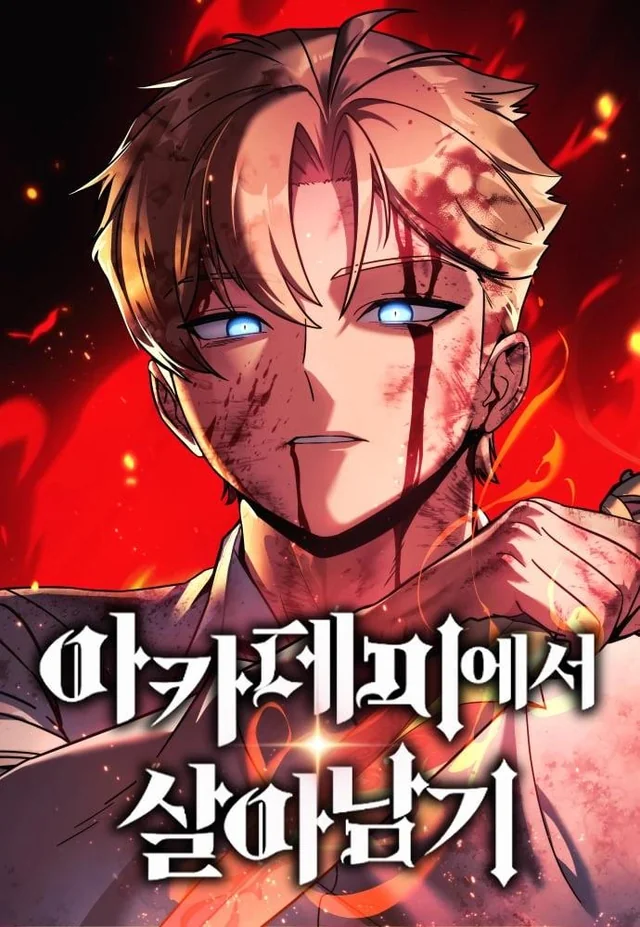
This is where a major difference becomes visible. While traditional manga is often published in printed pages, modern Korean manhwa has become extremely popular through digital platforms. Many manhwa series are specifically designed to be read on smartphones.
Unlike traditional Japanese manga, Korean manhwa is generally read from left to right, making it more familiar to many international readers.
Modern webtoon-style manhwa is also famous for its full-color artwork and vertical scrolling format. Instead of turning pages, readers simply scroll down through the story. Artists often use large spaces between panels to control pacing and build suspense.
For example, imagine a character standing at the edge of a cliff. Instead of immediately showing what happens next, the creator may place several long vertical spaces before revealing the next dramatic panel. This scrolling technique creates a cinematic experience that works especially well on mobile devices.
Manhwa has gained enormous international popularity through genres such as:
- Fantasy
- Romance
- Action
- Martial arts
- School drama
- Dungeon and game-based stories
- Regression and reincarnation
- Psychological thriller
The rise of digital platforms has helped manhwa reach readers around the world faster than ever before.
What Is Manhua? And Why Is It Different From Manga and Manhwa
Manhua refers to comics and illustrated stories from China. The term may also be used more broadly in Chinese-speaking regions, but internationally, it is commonly associated with Chinese comics.
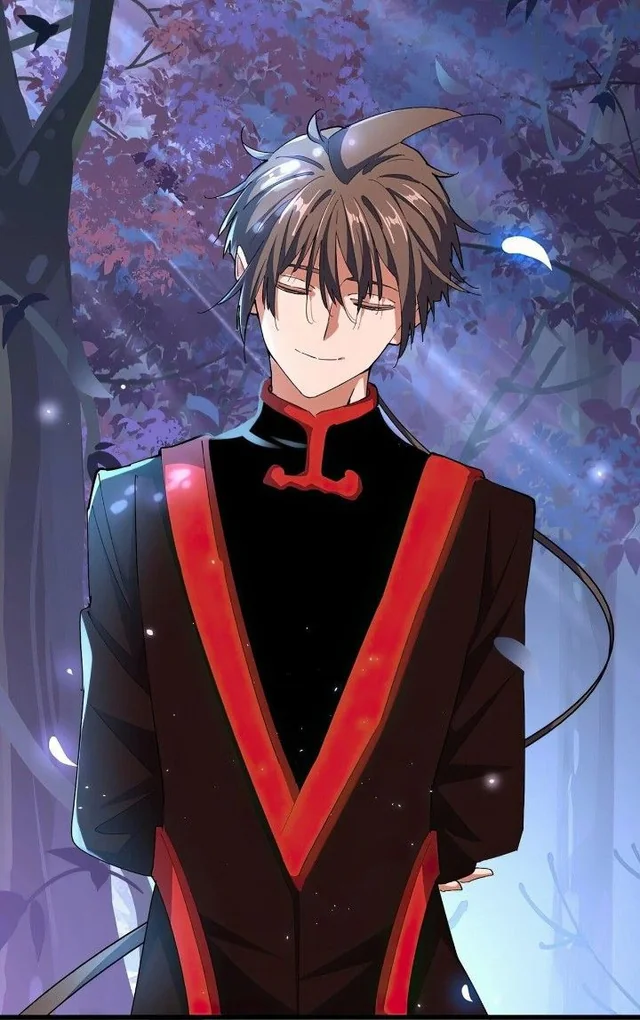
Like manga and manhwa, manhua includes a wide range of genres and artistic styles. However, Chinese culture, mythology, history, martial arts traditions, and fantasy concepts often play an important role in its storytelling.
Modern manhua can appear in print or digital formats. Many popular series are published online and designed for digital reading. Depending on the platform and origin, the reading direction and presentation may vary.
One major feature that attracts readers to manhua is its frequent use of colorful artwork. While traditional manga is often black and white, many modern digital manhua series use full color.
Chinese fantasy concepts are particularly prominent in many stories. Readers may encounter ideas such as cultivation, spiritual energy, immortality, martial arts sects, ancient kingdoms, and supernatural creatures.
Popular manhua genres include:
- Cultivation fantasy
- Martial arts
- Historical drama
- Romance
- Action
- Adventure
- Supernatural stories
- Science fiction
The visual style of manhua can vary significantly from one series to another. Some stories use highly detailed illustrations, while others have a cleaner, more modern digital appearance.
The Main Difference Between Manga, Manhwa, and Manhua
The easiest way to understand the difference between manga, manhwa, and manhua is to remember their countries of origin.
| Type | Origin | Common Reading Format | Typical Presentation |
|---|---|---|---|
| Manga | Japan | Right to left | Often black and white, printed pages |
| Manhwa | South Korea | Left to right | Often full color, vertical scrolling |
| Manhua | China | Can vary | Frequently digital and full color |
However, do not make the mistake of thinking these rules apply to every single series. The publishing industry is changing rapidly. Digital platforms, international audiences, and new technology have blurred some of the traditional boundaries.
For example, not every manga is black and white, not every manhwa is a vertical webtoon, and not every manhua follows exactly the same reading direction. These are general patterns rather than absolute rules.
Similarities Between Manga, Manhwa, and Manhua
Despite their differences, manga, manhwa, and manhua have a lot in common.
1. They Tell Stories Through Art and Text
All three use a combination of illustrations, dialogue, expressions, panels, and visual composition to tell stories. The artwork is not simply decoration. It is an essential part of the storytelling process.
A single facial expression can communicate fear, excitement, sadness, or anger without requiring a long paragraph of explanation.
2. They Cover Almost Every Genre
Whether you enjoy romance, horror, comedy, action, fantasy, mystery, or science fiction, you can find stories in all three formats.
This is another mistake beginners often make: assuming that Asian comics are only about action or fantasy. That is completely wrong. The range of storytelling is enormous.
You can find quiet stories about everyday life, emotional dramas, business stories, historical adventures, sports competitions, and complex psychological narratives.
3. Strong Visual Storytelling
Manga, manhwa, and manhua all place major importance on visual storytelling. Panel size, character expressions, backgrounds, action lines, spacing, and composition influence how readers experience the story.
Creators use visuals to control speed and emotion. Fast action scenes may use small, energetic panels, while emotional moments may focus on a single large image.
4. Global Digital Growth
The internet has transformed all three industries. Readers no longer need to visit a physical bookstore to discover international comics.
Digital publishing has made manga, manhwa, and manhua more accessible to global audiences. Translation communities, official platforms, mobile applications, and social media have also helped new series become popular internationally.
Which One Should You Read?
There is no correct answer. It depends entirely on what type of reading experience you enjoy.
If you like traditional page-based comics, detailed black-and-white artwork, and Japanese storytelling traditions, manga may be the best place to start.
If you prefer reading on your phone, full-color illustrations, and smooth vertical scrolling, you may enjoy manhwa more.
If you are interested in Chinese mythology, cultivation, martial arts, ancient fantasy worlds, and colorful digital artwork, manhua could be an excellent choice.
The smartest approach is not to limit yourself to one category. Read stories from all three and discover which genres and creators match your interests.
Why Are Manga, Manhwa, and Manhua So Popular?
Their popularity comes from a combination of creativity, accessibility, and diversity.
These formats can tell stories that would be expensive or difficult to produce in live-action entertainment. A creator can build massive fantasy kingdoms, create supernatural powers, design impossible creatures, or show dramatic battles through illustration.
They also allow readers to experience stories at their own pace.
Another major reason is emotional connection. Many successful series focus on relatable themes such as friendship, ambition, love, failure, family, identity, and personal growth. Even when a story takes place in a fictional world filled with monsters or magic, its characters can still feel human.
Final Thoughts
So, what is manga, manhwa and manhua? They are three important forms of Asian comic storytelling with different cultural origins.
Manga comes primarily from Japan, manhwa from Korea, and manhua from China. Their differences can include reading direction, artwork, publishing style, digital format, and cultural influences. Manga is traditionally associated with right-to-left, black-and-white pages. Manhwa is strongly connected with full-color vertical webtoons, while manhua often features digital publishing, colorful artwork, and themes inspired by Chinese culture and mythology.
However, the similarities are just as important as the differences. All three offer powerful visual storytelling, diverse genres, memorable characters, and imaginative worlds.
As digital platforms continue to grow, the boundaries between these formats may become even less rigid. What will remain unchanged is the demand for great stories.
Instead of arguing about which format is better, explore them all. A great story is a great story—whether it is manga, manhwa, or manhua.
